In the global coffee industry’s trend towards specialization, coffee filter paper, as a key consumable affecting extraction stability and flavor purity, has long transcended the simple “paper trading” logic. China, as one of the world’s largest producers and exporters of filter paper, possesses a complete industrial chain from raw material processing to mold development.
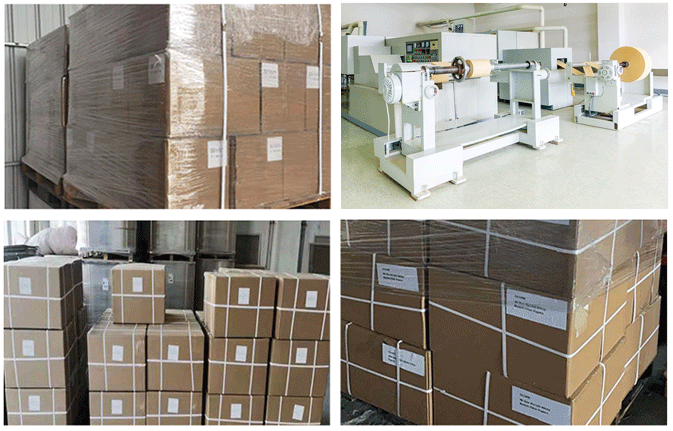
Sourcing high-quality coffee filter paper from China involves a screening process that considers “physical properties,” “chemical safety,” and “commercial trust.”
I. Market Scan: Identifying Core Supply Clusters
China’s coffee filter paper production is highly concentrated, mainly in East China (Zhejiang and Jiangsu) and South China (Guangdong).
Specialized Factories (OEM/ODM): Concentrated in Zhejiang, these factories have a mature paper manufacturing industry. They typically have FSC certification and are adept at adjusting the fiber ratio of the paper according to customer requirements.
Equipment Traders: Mostly located in Guangdong. Their advantage lies in their ability to bundle filter paper with filter cups, coffee makers, and other equipment, suitable for small and medium-sized brands requiring “one-stop sourcing.”
II. Technical Specifications: How to Define “High-Quality” Filter Paper?
Before submitting a Request for Quotation (RFQ), the following core technical parameters must be clarified:
- Material and Bleaching Process
Virgin Wood Pulp: The preferred choice for high-quality filter paper, with long and pure fibers.
Oxygen Bleaching: Compared to traditional chlorine bleaching, oxygen bleaching is more environmentally friendly and has no chemical odor.
Unbleached: While more natural, improper processing can easily produce a strong “paper smell,” requiring close examination of the factory’s deodorization process.
- Physical Performance Indicators: Basis Weight and Thickness: Industry standards typically range from $45g/m^2$ to $55g/m^2$. Thickness directly determines the water flow rate. Wet Burst Strength: Filter paper must maintain its structural integrity when subjected to hot water above 90°C, without cracking or fiber shedding. Embossing Quality: Edge embossing must be clear and smooth to prevent leakage under extraction pressure.
III. Compliance: The “Passport” to International Market Access
For food contact materials like coffee filter paper, compliance is an insurmountable bottom line.
Food-Grade Certification: Manufacturers must provide FDA (USA) or LFGB (EU) test reports.
Sustainability: FSC certification has become a mandatory requirement for international chain brands, proving that the wood pulp comes from sustainably managed forests.
Factory System: Prioritize manufacturers certified by the ISO 9001 quality management system.
IV. Quality Control (QC): From Sample to Bulk
- Sample Verification Stage
Don’t just look at the paper’s whiteness. Comparative brewing tests should be conducted:
Blind Test: Brew the filter paper with only hot water, and smell the water after cooling to check for any off-odors.
Flow Rate Consistency: Randomly select 10 filter papers from the same batch and test the dripping time error under the same water volume.
- In-Production and Post-Production Inspection
AQL Sampling Standards: Establish strict quality standards, focusing on inspecting for defects such as black spots (impurities), creases, and burrs on the cut edges.
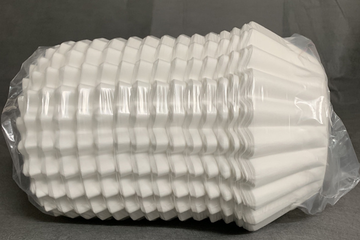
Moisture-Proof Packaging: Wholesale transportation has long cycles; the inner packaging must have good heat-sealing properties to prevent the filter paper from absorbing moisture and odors during sea transport.
V. Cost and Risk Management
Pricing Logic: Do not pursue extremely low prices. The cost of coffee filter paper is highly transparent; excessively low prices often indicate the use of recycled pulp or reduced washing processes, which directly ruins the flavor of the customer’s coffee beans.
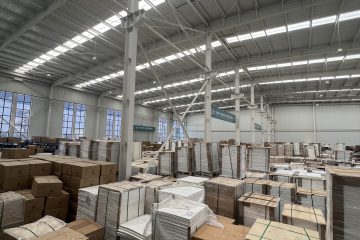
Logistics Solutions: Filter paper is considered “bulky” (large in volume but light in weight); the loading rate should be carefully calculated during sea transport. For branded custom-made parts, full container load (FCL) transportation is recommended to reduce handling damage.
HS Code: Use HS code 4823.20.00 for customs declaration to ensure accurate tariff classification.

0 Comments