The Science of Coffee Filtration (2025/2026 Data)
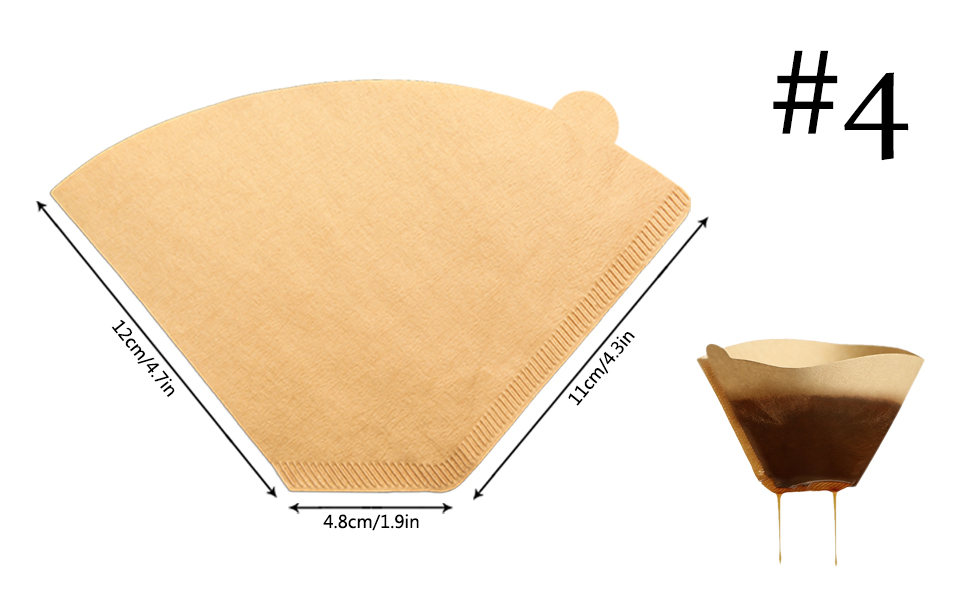
Paper filters are primarily differentiated by their lignin content and bleaching method (Oxygen-based vs. Unbleached). While bleached filters offer taste neutrality, unbleached filters require extensive rinsing to remove woody odors. Crucially, research published in February 2025 indicates that paper filtration is a key factor in cardiovascular health, removing up to 95% of cholesterol-raising oils.
Performance Comparison: Bleached vs. Unbleached
| Feature | Oxygen-Bleached (White) | Unbleached (Brown) |
| Bleaching Method | TCF (Total Chlorine Free) / Oxygen | None (Natural wood pulp) |
| Residual Lignin | Near-Zero | High (results in “woody” flavor) |
| Rinsing Requirement | Minimal (warm up equipment) | High (50–100ml hot water) |
| LDL Cholesterol Impact | 95% Reduction in Cafestol | 95% Reduction in Cafestol |
| Pore Size | 10–20 Microns | 15–25 Microns |
The Chemical and Sensory Distinction: Bleached vs. Unbleached Filters
While the primary difference appears aesthetic, the functional distinction lies in lignin concentration and oxidation methods.
1. Molecular Composition and Flavor Profile
Unbleached filters are composed of raw, “natural” wood pulp that retains significant levels of lignin, an organic polymer found in terrestrial plants. When exposed to water at standard brewing temperatures ( to ), these lignins undergo thermal degradation, releasing a distinct “woody” or “cardboard” organoleptic profile. To mitigate this, unbleached filters require a pre-infusion rinse of approximately 50-100ml of hot water. In contrast, bleached filters undergo a purification process that removes these impurities, resulting in a chemically inert paper that requires minimal rinsing to ensure flavor neutrality.
2. Modern Bleaching Standards: TCF vs. ECF
The “safety” of white filters is determined by the specific bleaching technology used. Modern high-quality filters utilize Oxygen-based bleaching or Total Chlorine Free (TCF) processes. Unlike the outdated elemental chlorine methods of the 20th century, oxygen-processing leaves no dioxin residues, making the filters chemically safe for both the consumer and the environment.
3. Environmental Trade-offs and Sustainability
While unbleached filters are often marketed as the “greener” choice due to reduced chemical processing, a comprehensive life-cycle assessment must include water utility. Because unbleached fibers require a more rigorous pre-rinse to eliminate paper odors, the cumulative water waste per brew cycle is statistically higher than that of their oxygen-bleached counterparts. Both varieties, however, are fully biodegradable and suitable for industrial composting.
0 Comments