Sourcing isn’t about finding the cheapest price; it’s about finding a drip coffee bag manufacturer who won’t ruin your brand with a single faulty batch.
If you have been in the coffee industry long enough, you know the nightmare scenario: You ship 10,000 units of a premium single-origin roast, only to receive customer complaints that the bags “taste like plastic,” “burst in the mug,” or the dreaded “ear hooks” snapped off before brewing.
In the global wholesale drip coffee bag supplier market, the options are flooded. Everyone claims to be a “direct factory.” However, the reality is that nearly 70% of the entities you find on B2B platforms are trading middlemen reading from the exact same sales script.
To protect your brand equity, you need to separate the genuine manufacturing plants from the “box movers.” Here are the 5 critical traps you must avoid, and the exact framework to audit your next supplier before signing the Purchase Order (PO).
wholesale drip coffee bag supplier
Trap #1: The “Factory” Mirage (Middleman Markup)
The Red Flag: The supplier gives you a beautiful catalog with factory photos, but when you request a live video call to see the production floor, they make excuses like “it is currently lunch break” or “the workshop has strict hygiene security.”
The Reality: You are speaking to a trading company. They take your order, slap on a 25% to 40% markup, and forward it to a small, uncertified third-party workshop where you have zero quality control over hygiene or materials.
How to Avoid It:
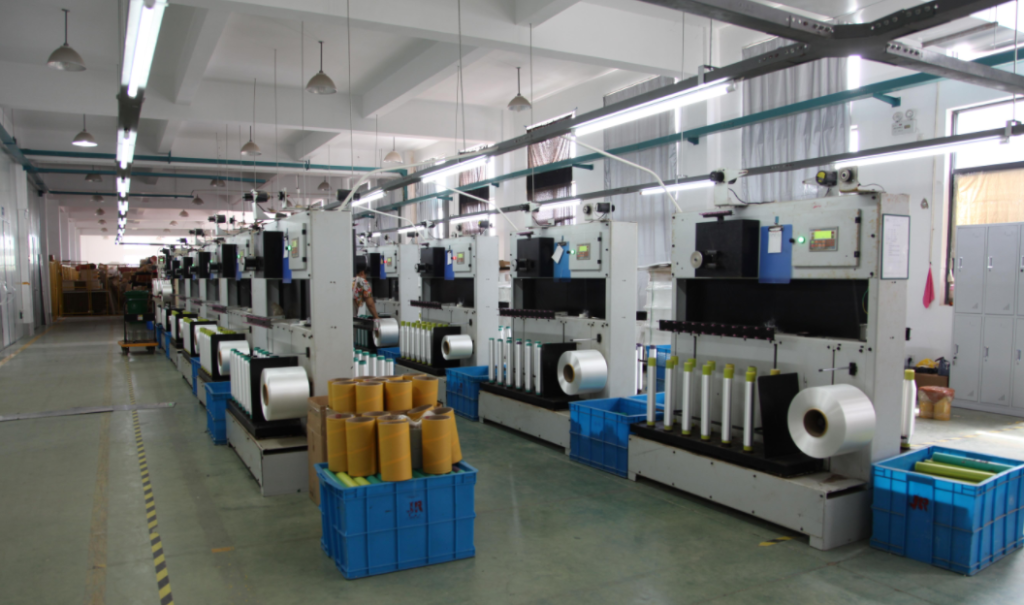
A legitimate, high-volume drip coffee bag manufacturer will never hesitate to hop on a live video call (via WhatsApp, Zoom, or WeChat) and walk you through their facility. When auditing, demand to see:
The Ultrasonic Sealing Lines: Watch the automated machines weld the ear hangers to the filters in real-time.
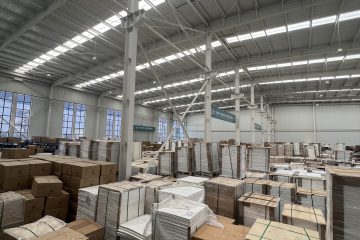
Raw Material Rolls: Look for massive spools of non-woven or wood-pulp paper. Middlemen rarely carry raw roll inventory.
On-Site QC Station: Where they perform pressure, pull, and leakage tests.
The Red Flag: The supplier sends you a generic food-grade certificate, but when you open the sample pack, you notice a faint “chemical”, “burnt”, or “synthetic” odor inside the bag.
The Reality: Some low-tier workshops use substandard adhesives during the film lamination process or cure synthetic non-woven fabrics with cheap chemical catalysts. When 92°C hot water hits these fibers, Volatile Organic Compounds (VOCs) leach directly into the brew. Your specialty coffee won’t taste like blueberries—it will taste like plastic solvent.
How to Avoid It:
Ensure you are partnering with a wholesale supplier who adheres strictly to food contact safety regulations:
Demand PAA (Primary Aromatic Amines) Testing: PAA compliance is a strict legal requirement in the EU (Regulation EU 10/2011). Many low-cost factories bypass this crucial step.
The Water Extract Test: Ask your supplier to soak the filter material in boiling water (100°C) for 15 minutes. Once cooled, test the water’s pH and TDS (Total Dissolved Solids). The water must remain completely odorless, clear, and chemically neutral.
Trap #3: The “Weak Seal” Syndrome (Bursting Bags)
The Red Flag: The golden samples you received hold water perfectly. However, once you receive your bulk shipment, 10% to 15% of the bags burst at the side-seam during brewing, filling your customer’s mug with wet coffee grounds.
The Reality: To cut energy costs or speed up delivery, the factory may have lowered the temperature on their heat-sealing rails or speeded up the conveyor, resulting in an incomplete “cold weld”. Additionally, fine coffee dust often gets trapped in the seal line during the packaging process, which severely weakens the bond.
drip coffee bag manufacturer
How to Avoid It:
A professional wholesale drip coffee bags bulk manufacturer will provide a physical Peel Test Report:
The Technical Spec: The standard peel strength for a secure drip bag weld should be calibrated between 8N to 15N (Newtons). Anything below 8N risks bursting during brewing; anything above 15N makes it impossible for the end consumer to tear the ear hangers open.
The Clean Seal Solution: Ask if the factory utilizes an “Air Knife” system paired with synchronized vacuum suction on the sealing rails. This high-pressure system sweeps away micro-fine coffee dust from the weld area milliseconds before the ultrasonic horn hits, guaranteeing a flawless seal.
The Red Flag: The supplier’s website is covered with FDA, LFGB, and SGS logos. But when you ask for the original PDFs, they only send you low-resolution, blurred JPG thumbnails, or certificates issued to a completely different company name.
The Reality: Many brokers borrow or purchase a single roll of certified food-grade paper to create compliant samples. Once the bulk contract is signed, they switch to cheaper, uncertified industrial-grade rolls to protect their margins.
Traceable Batch Codes: The factory must provide food-grade certifications that feature unique batch numbers matching the traceability labels printed on the raw material cartons.
US Market Readiness: If you are importing into the United States, verify if your supplier has registered their facility with the FDA and holds an active FCE (Food Canning Establishment) and SID (Submission Identifier) for the packaging materials.
Trap #5: The “Delay and Blame” Shipping Loop
The Red Flag: The sales rep promises a 15-day production lead time. After you pay the deposit, the lead time stretches to 40 days. They blame “sudden port congestion”, “typhoons”, or “machine maintenance,” stalling your retail launch.
The Reality: The middleman didn’t have the raw rolls in stock. They had to wait for your deposit to cleared, and then queued up to purchase raw films from a secondary manufacturer.
How to Avoid It:
Raw Material Reserves: A genuine manufacturer maintains a safety stock of at least 3 to 6 months’ worth of standard non-woven and wood-pulp materials to run production lines 24/7.
Liquidated Damages Clause: Ensure your PO includes a standard delay penalty: “For every day delayed beyond the agreed FOB date, 1.0% of the total order value will be deducted.” Legitimate factories with robust supply chains will accept this; trading middlemen will almost always refuse.
📥 GET YOUR FREE B2B TESTING PACK
Put our manufacturing quality to the test. We provide free B2B sample kits containing our unbleached wood-pulp paper, SMS non-woven, and PLA biodegradable filters along with our certified FDA/LFGB test reports.
We built our facility to eliminate the risks of overseas sourcing. We operate differently to protect your brand:
100% Direct Manufacturer: We are a fully operational factory with open-door video audits. What you see on your screen is exactly what is running on our floor.
Rigorous Chemical Safety: All our wood pulp is oxygen-bleached (100% chlorine-free) and certified PAA-free. We comply with both FDA (US) and LFGB (Germany) food contact regulations.
Zero-Defect Ultrasonic Sealing: Our machines utilize synchronized Air Knives and automated vision cameras to inspect every bag’s weld line, keeping our defect rate under 0.3%.
Inventory Security: We hold 50+ tons of food-safe raw materials in our warehouse, guaranteeing stable pricing and an average lead time of 15 to 25 days even during peak seasons.
The 5-Step Supplier Audit Checklist
Before you sign your next contract, run your prospective drip coffee bag supplier through this checklist:
Video Verification: Did they show you their live ultrasonic sealing lines on a video call?
Chemical Safety: Did they provide a PAA-free and water-extract odor test report?
Weld Strength: Can they guarantee a peel strength between 8N and 15N?
Traceability: Do their FDA/LFGB certificates feature a batch number that traces back to their raw materials?
Delivery Penalty: Did they agree to a late-delivery penalty clause in writing?
If you answered “No” to any of these, you aren’t sourcing; you are gambling with your brand’s reputation.
Request a Quote & Sample Pack
Ready to scale your coffee brand with certified, high-performance packaging? Fill out the form below to receive a personalized quote and custom sample box within 12 hours.
Required Material: [Oxygen-Bleached Paper / Unbleached Paper / Non-Woven / PLA Biodegradable]
Custom Printing Needed? [Yes / No]
B2B Frequently Asked Questions
Q: How do you prevent coffee dust from weakening the seals?
We integrate a high-velocity Air Knife blower and matching vacuum exhaust port directly onto the sealing rail. This setup clears 99.9% of loose grounds and micro-dust from the sealing margin before the ultrasonic weld is triggered.
Q: Do you supply compostable/biodegradable drip filters?
Yes. We manufacture certified PLA (Polylactic Acid) non-woven drip coffee bags derived from plant starch. They are 100% industrially compostable and comply with EN 13432 standards.
Q: What is your factory’s production capacity?
Our automated facility outputs up to 2 million drip bags per week, allowing us to comfortably support small startup roasters and scale seamlessly to support major national coffee chains.
For coffee enthusiasts, a filter paper is more than just a sheet of paper—it is the final, crucial step in brewing the perfect cup of coffee. The Iconic Filter Shapes That Shaped Pour-Over Coffee If Read more
Selecting commercial coffee filter paper is far more than a simple decision regarding consumable expenses. In the commercial coffee brewing process, the filter paper acts as the “final guardian” of extraction quality. In an era Read more
Direct OEM Substitute – Spec-for-Spec Replacement Without the Brand Markup For large-chain foodservice operators, coffee filter performance is not a matter of preference—it is a matter of operational consistency. A filter that fails to maintain Read more
0 Comments