In the world of specialty coffee, the percolator remains a classic for brewing bold, high-capacity coffee. However, a common question arises among hotel procurement managers and cafe owners: Why does percolator filter paper require a precision-cut hole in the center?
It’s not just a design quirk—it is a mechanical necessity rooted in fluid dynamics and extraction science. In this article, we explore the five critical reasons why the “center hole” is the most important feature of a percolator filter.
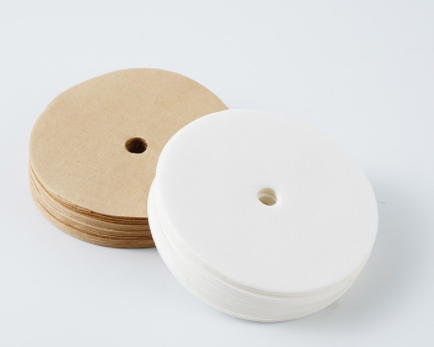
1. The Mechanical Necessity: Stem-and-Basket Synergy
The core of any percolator is the vertical pump tube (stem). During the brewing process, boiling water is forced up through this tube and sprayed over the coffee grounds.
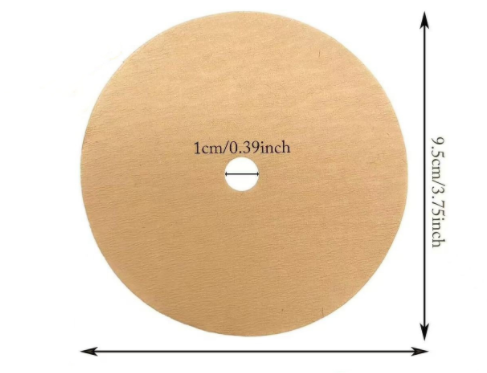
The center hole allows the filter paper to slide over this tube and lie radially centered and perfectly flush against the floor of the filter basket. Without this hole, the filter would sit on top of the tube, obstructing the water flow and preventing the machine from functioning. By ensuring a tight seal around the 3/8-inch (9.5mm) industrial standard stem, the filter creates a stable foundation for extraction.
2. Preventing the “Fountain Effect” and Sediment Bypass
One of the biggest challenges in percolator brewing is the high-pressure recirculation of water. If a filter isn’t properly anchored by a center hole, it can be displaced by the rising water—a phenomenon known as the “Fountain Effect.”
When the filter shifts, water and steam force coffee grounds around the edges of the paper. Authoritative data suggests that using a precision-cut filter reduces insoluble solids (TDS) to below 0.1%. In contrast, DIY-punched filters or no-filter methods can result in a sediment rate 4 to 6 times higher, leading to a “muddy” cup that dissatisfies customers.
3. Health & Flavor: Capturing Cholesterol-Raising Oils
While the metal basket of a percolator can hold grounds, it cannot filter chemically. This is where high-density wood pulp paper becomes essential.
Coffee contains diterpenes—specifically Cafestol and Kahweol—which are known to raise cholesterol levels. A study published in the European Journal of Preventive Cardiology confirms that paper filters trap 99% of these oily substances. For commercial providers, offering paper-filtered coffee isn’t just about taste; it’s a health-conscious choice that reduces cafestol from 3-5mg per cup to less than 0.1mg.
4. Engineering for High-Temperature Durability
Percolators operate at higher temperatures than standard drip makers, often reaching near-boiling points for extended periods. This requires a specific type of paper:
- Wet Burst Strength: Our filters use long-fiber wood pulp with a 40-45 GSM (Grams per Square Meter) weight—25% thicker than standard filters.
- Structural Integrity: The precision-cut hole is designed with “burr-free” edges to prevent tearing under the constant pressure of hot water circulation, ensuring the paper doesn’t migrate or collapse during a 10-minute brew cycle.
5. B2B Efficiency: Customization and Sustainability
For large-scale operations like hotels and offices, consistency is key. Using pre-cut, professional coffee filter paper with a hole streamlines the workflow.
- Eco-Friendly: Made from 100% oxygen-bleached or natural unbleached fibers, these filters are fully biodegradable within 30-90 days.
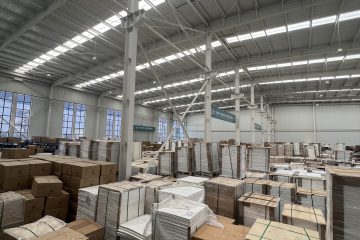
- OEM Ready: As a direct manufacturer, We provides customizable hole diameters and outer dimensions to fit any commercial percolator brand, from Farberware to Hamilton Beach.
0 Comments