1. Lipid and Sediment Retention
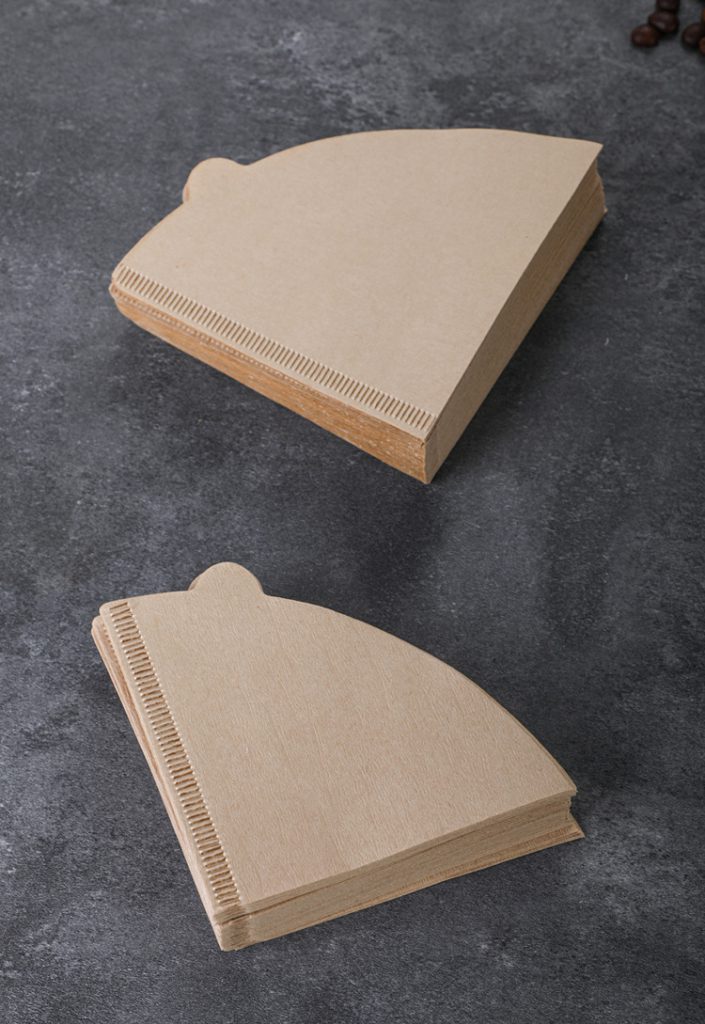
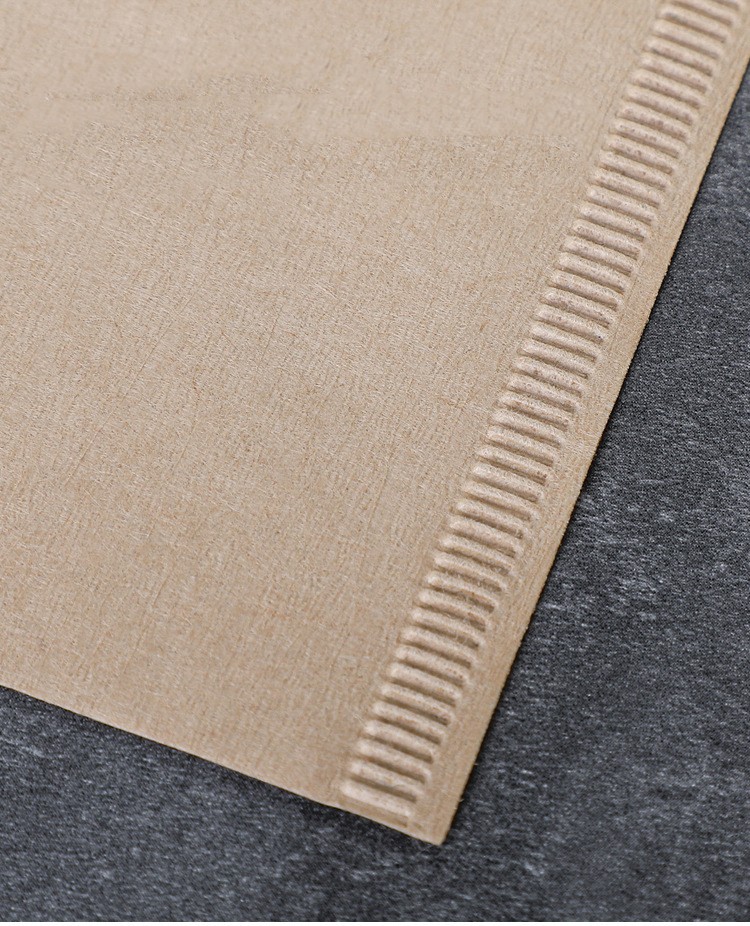
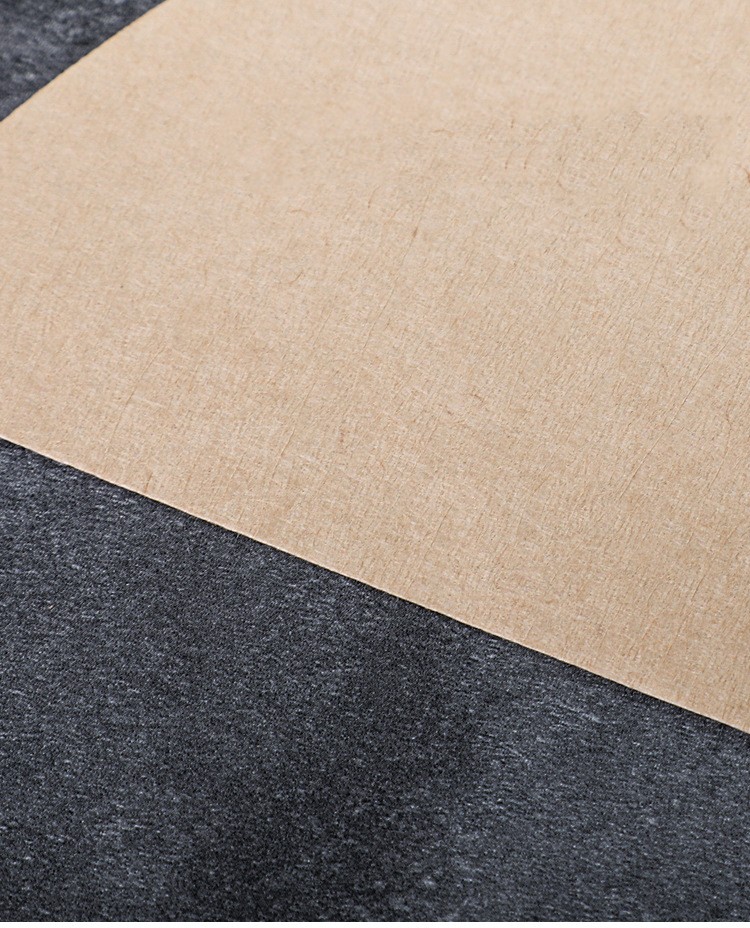
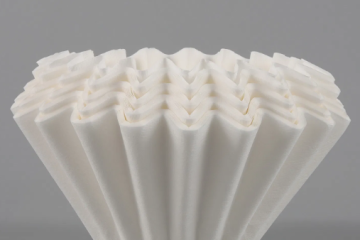
Paper filters (specifically 0.15mm to 0.20mm thickness) act as a high-density barrier compared to metal mesh.
- Diterpene Removal: Paper filtration removes approximately 95% of cafestol and kahweol (lipids).
- Clarity: By capturing particulate matter (fines) down to 5–10 microns, paper filtration results in a “clean” mouthfeel with significantly lower Total Dissolved Solids (TDS) compared to immersion methods.
2. Flavor Modulation and Acidity
The removal of oils and micro-sediment alters the perceived flavor profile:
- Acidity: The reduction in suspended solids allows organic acids (quinic, citric, and malic) to be more perceptible on the palate, increasing “brightness.”
- Bitterness: Since bitter-tasting fines are trapped in the paper fibers rather than ending up in the carafe, the final cup exhibits a lower perceived bitterness.
3. Comparison of Filter Media (Quantitative Summary)
| Filter Material | Pore Size (Avg) | Lipid Retention | Perceived Body |
| Bleached Paper | 10–20 $\mu m$ | High (>90%) | Light/Tea-like |
| Metal Mesh | 50–100 $\mu m$ | Low (<10%) | Heavy/Syrupy |
| Cloth (Flannel) | 20–30 $\mu m$ | Moderate (~50%) | Medium/Smooth |
4.Sensory Impact and Flavor Modulation
The use of Deer Coffee Filters modifies the final beverage through the following physical mechanisms:
TDS Control: By removing micro-sediment, the filter ensures a lower Total Dissolved Solids (TDS) profile, resulting in higher “flavor clarity” and distinct perceived acidity.
Bitterness Mitigation: Retention of over-extracted fines in the cellulose matrix prevents late-stage bitterness (astringency) from entering the final cup.
Flow Dynamics: The uniform fiber distribution prevents “channeling,” ensuring even saturation and a balanced extraction of water-soluble compounds.

0 Comments