What is a Coffee Filter Paper?
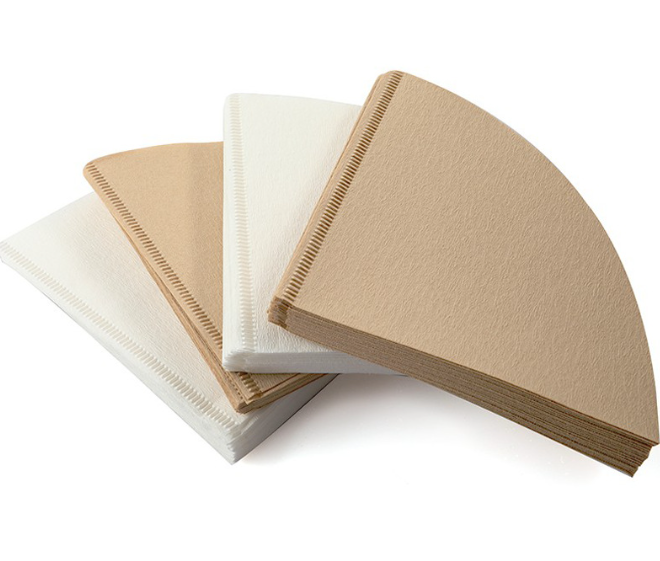
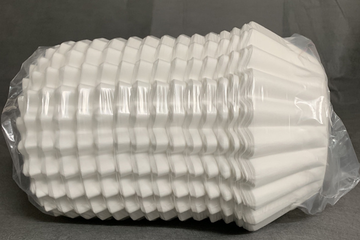
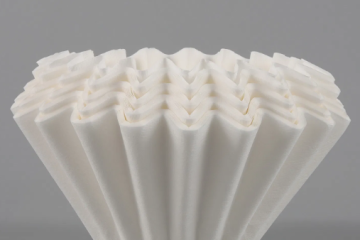
A coffee filter paper is a specially designed paper filtering tool used to separate coffee grounds from the brewed liquid. It is typically made from natural wood fibers (such as bamboo, sugarcane pulp, or wood) or synthetic materials. This thin, porous paper allows hot water and coffee extracts to pass through while blocking coffee ground particles, resulting in a clear, sediment-free coffee liquid. Coffee filter papers are usually folded into cone or round shapes to fit different types of coffee brewing equipment.
What are the Main Functions of Coffee Filter Paper?
Coffee filter paper plays several key roles in the brewing process:
Physical Filtration: Effectively separates coffee grounds from the liquid, preventing fine particles from entering the cup.
Oil Control: Absorbs some of the natural oils (coffee lipids) from the beans, reducing the oily mouthfeel of the coffee.
Chemical Filtration: Certain bleached filters can remove diterpenes (like cafestol) that may be present in coffee, which can potentially raise cholesterol levels.
Improved Cleanliness: Simplifies the cleaning process—just dispose of the used filter and grounds.
Even Extraction: Helps water flow evenly through the coffee grounds, promoting consistent extraction.
Correct Method for Using Coffee Filter Paper
Preparation
Choose the Correct Filter: Select the right shape (cone, round, or wave) and size for your coffee brewing device.
Rinse the Filter: Before adding coffee grounds, rinse the filter paper with hot water. This serves to:
Remove potential paper taste.
Pre-warm the brewing device.
Help the filter paper adhere better to the filter holder.
Brewing Steps
Place the rinsed filter paper into the filter cone or brewer.
Add freshly ground coffee (a medium-coarse grind is generally ideal for filter brewing).
Employ a suitable brewing method:
Bloom/Pulse Method: Start by pouring a small amount of water to saturate the grounds and let it “bloom” for about 30 seconds to allow gases to escape.
Continuous Pour: Continue pouring water in a steady, slow spiral motion from the center outward.
Control water temperature and time: Ideal water temperature is between 90-96°C (195-205°F). Total brew time is typically recommended to be between 2 to 4 minutes.
Once brewing is complete, carefully remove the filter paper with the spent grounds. Enjoy your clear coffee.
Important Notes
Avoid having the top edge of the filter paper extend above the rim of the filter holder, as this can cause water to bypass the grounds.
Dispose of the used filter and grounds promptly after brewing to prevent mold or stale odors.
Store unused filter papers in a dry, dark place to avoid absorption of ambient odors.
Coffee Filter Paper vs. Stainless Steel Mesh Filter: A Detailed Comparison
Coffee Flavor Profile
Filter Paper Coffee:
Taste: Clear and clean.
Acidity: Brighter and more pronounced.
Body: Lighter, as most coffee oils are absorbed by the paper.
Flavor: Tends to highlight clearer, more distinct flavor notes.
Stainless Steel Mesh Filter Coffee:
Taste: Full-bodied and heavier.
Acidity: Often perceived as mellower.
Body: Richer and oilier, retaining the natural coffee oils, similar to French press coffee.
Flavor: Can have a more robust, “fuller” flavor profile, with possible fine sediment.
Practicality Comparison
Ease of Cleaning: Coffee filter paper offers the ultimate convenience—simply discard after use. Stainless steel filters require thorough rinsing and occasional deeper cleaning as fine particles can clog the mesh.
Long-term Cost: Filter papers involve ongoing purchase costs. A stainless steel filter is a one-time investment, making it more economical over time.
Environmental Impact: Paper filters create waste (though unbleached or compostable options are available). Stainless steel filters are zero-waste and more environmentally friendly, assuming proper care and longevity.
Durability: Filter papers are single-use. A high-quality stainless steel filter is very durable and can last for years.
Brewing Speed: Filter paper has a standard flow rate. The flow rate with a metal filter can vary depending on the mesh fineness and may require adjustment in grind size or technique.
Health Considerations
Filter papers (especially bleached ones) may filter out certain diterpene compounds found in coffee oils that have been linked to potential increases in LDL cholesterol.
Stainless steel filters do not add any chemicals to the coffee.
Both are safe brewing choices, and the decision often comes down to personal preference regarding oil and compound intake.
How to Choose: Filter Paper or Stainless Steel Mesh?
Choose coffee filter paper if:
You prefer a clean, crisp, and bright cup of coffee.
You value brewing convenience and easy cleanup.
The ongoing cost is acceptable to you.
You are sensitive to coffee oils or prefer a lighter-bodied coffee.
Choose a stainless steel mesh filter if:
You prefer a full-bodied, rich, and heavier coffee with more oils.
You want to reduce waste and adopt a more eco-friendly option.
You don’t mind spending a little extra time on cleaning.
You want to save money in the long run.
Professional Tips
Filter Paper Choice: Unbleached filters are more eco-friendly but may impart a slight paper taste; bleached filters (oxygen-bleached is common) are typically taste-neutral but involve a bleaching process.
Eliminating Paper Taste: Thoroughly rinsing the filter (with about 100ml of hot water) effectively removes any potential paper taste.
Eco-friendly Alternatives: Consider compostable paper filters or reusable organic cotton filters as middle-ground options.
Experiment: The best way to decide is to try both methods and understand your personal preference for coffee taste and mouthfeel.
0 Comments