A good filter paper is the one that helps you bring out the best in your coffee beans and matches your personal taste preferences.
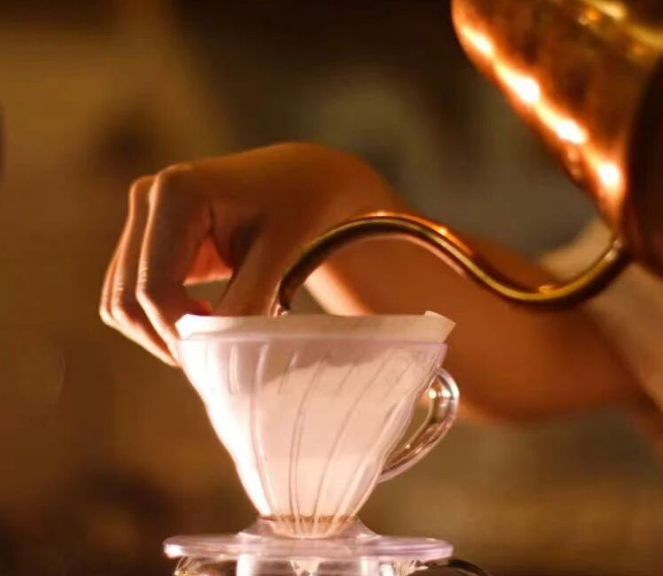
What kind of paper are coffee filters typically made of?
The key to high-quality filter paper is its uniform fiber structure, which effectively filters fine powder while allowing coffee oils to pass through appropriately.
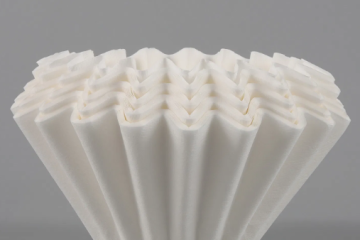
Modern professional coffee filters primarily use the following two materials:
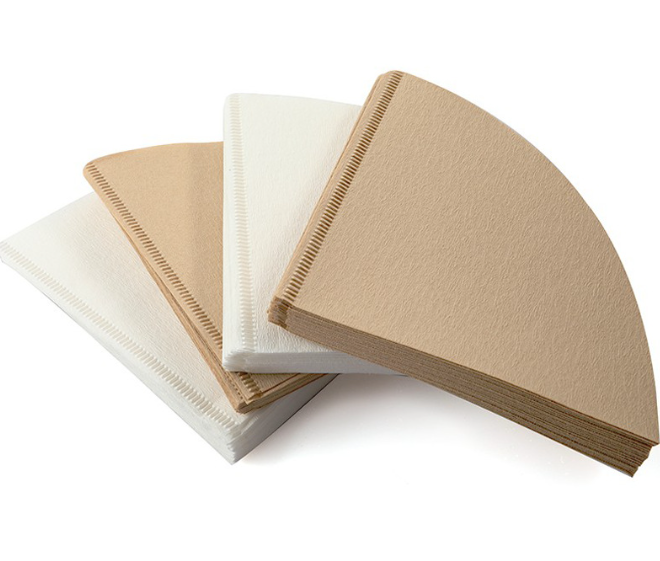
Bleached filter paper: Usually treated with oxygen bleaching or hydrogen peroxide bleaching, resulting in a pure white color. This treatment aims to remove lignin from the paper, reducing the interference of the paper’s flavor on the coffee. Oxygen bleaching is a more environmentally friendly process.
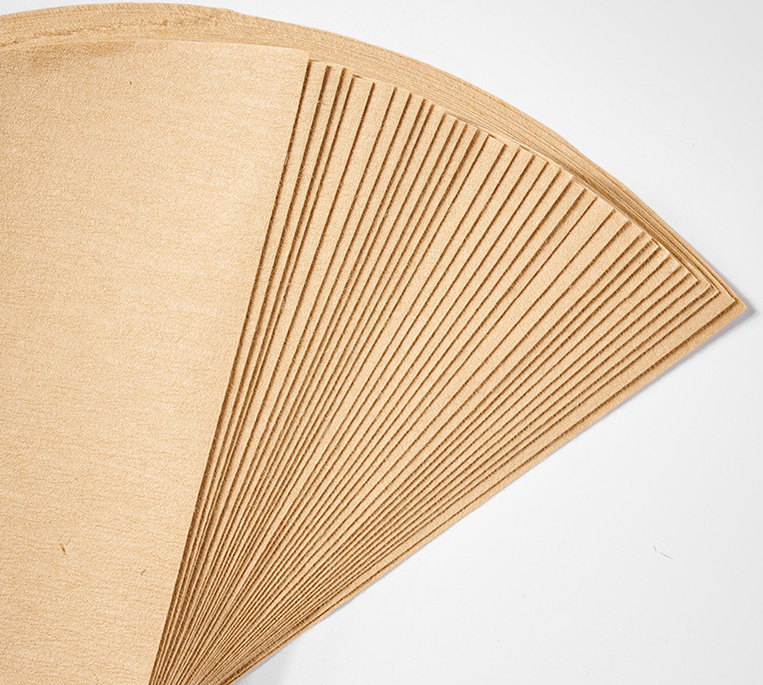
Unbleached filter paper (natural wood color): Retains the paper’s natural color and has a slight paper odor, but this usually disappears after rinsing. Many consumers choose it for its “more natural” appearance.
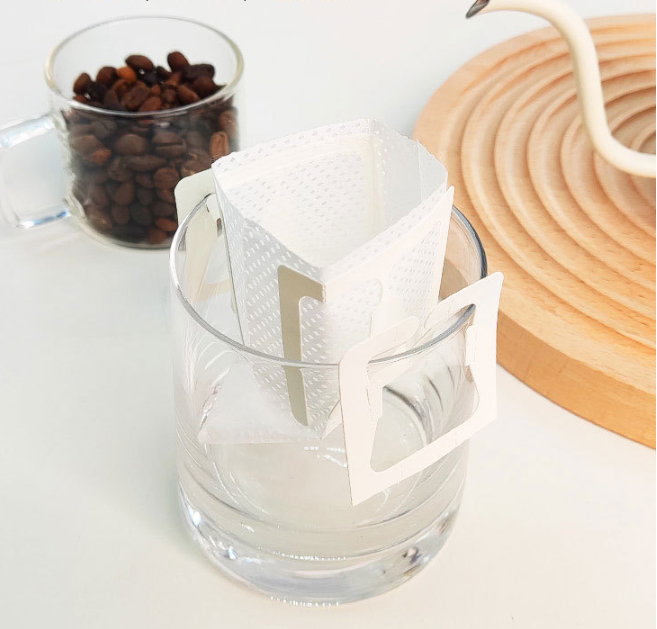
What can I use as a substitute when I don’t have coffee filters?
In emergencies, the following alternatives can be considered, but their limitations should be noted:
Gauze/Cotton Cloth: Clean cotton cloth can provide a similar effect to a cloth filter, but it will allow more oils and fine powders to pass through.
French Press: If you have a French press, it is a brewing method that does not require filter paper.
Aeropress Filter Paper: Reusable metal filter.
Clean Kitchen Paper Towels: Note: Only unscented, unprinted, pure white paper towels should be used, as they may impart a papery smell.
Professional Advice: These alternatives are only for temporary use, as they cannot compare to professional filter papers in terms of filtration precision, flow rate control, and flavor purity.
What is the difference between #2 and #4 coffee filter papers?
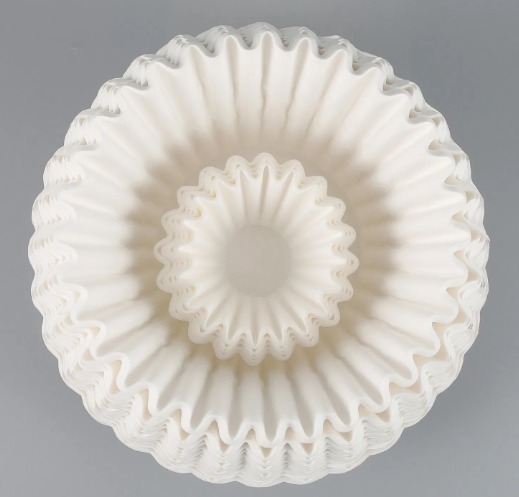
This is the size coding system for cone-shaped coffee filters:
2 filter paper: Capacity 1-2 cups (approx. 240-480ml), suitable for single servings or small-volume brewing.
4 filter paper: Capacity 4-6 cups (approx. 960-1440ml), suitable for family sharing or larger-volume brewing.
Key differences:
Physical size: #4 is significantly larger, taper may be slightly different.
Flow rate considerations: Larger filter paper may have a slightly faster flow rate at the same grind size.
Compatibility: Must be matched with the corresponding size filter cup; mixing will cause fit problems.
Purchase tips: The higher the number, the larger the capacity. #1 is the smallest (now rare), #6 is the largest (commercial scale).
Should I be concerned about the chemicals in coffee filters?
For reputable brand products, there’s generally no need to worry excessively:
Safety of Bleached Filter Paper: Modern high-quality bleached filter paper uses oxygen bleaching, leaving only water and oxygen residue, making it safe and harmless.
Avoid products using outdated chlorine bleaching processes (rarely seen now).
“Paper Smell” Issue: The natural odor of unbleached filter paper is not due to chemical residue and can be largely removed by pre-rinsing with hot water.
Practical Tips:
Buy products from reputable brands.
Rinse filter paper thoroughly with hot water before use (regardless of bleaching).
Avoid using cheap products with a strong chemical odor.
Does paper filter paper filter out the delicious crema in coffee?
This isn’t a matter of “better” or “worse,” but rather a matter of style. Many professional baristas use specific filter papers in competitions precisely to control crema flow and achieve their desired flavor profile.
It’s a delicate balance: Paper filter paper does intercept some coffee crema, especially compared to metal filters. This isn’t a drawback, but rather a matter of flavor selection: Paper filter coffee: Cleaner, brighter taste, clearer acidity, no sediment. Metal/cloth filter coffee: Fuller, richer taste, retains more crema and finesse.
The relationship between crema and flavor:
Coffee crema carries a large amount of aroma and some flavor, but also contains bitter substances. The selective filtration of paper filters can actually:
Reduce excessive bitterness
Create a more balanced taste
Highlight the acidity and floral/fruity aromas of the coffee.
What should you consider when choosing coffee filters?
When choosing coffee filters, consider:
Matching your equipment: Prioritize size and shape fit.
Flavor preferences: Choose paper filters for a clean taste, consider metal filters for a richer taste.
Quality assurance: Choose reputable brands; whether or not to bleach is more of a personal choice than a safety issue.
Correct use: Always pre-rinse the filter paper to remove the paper taste and preheat your equipment.
0 Comments